How to Choose the Right Hoist Cover for Your Needs?
Choosing the right hoist cover is crucial for protecting your equipment. According to industry expert John Smith, “A proper hoist cover extends the life of your equipment significantly.” This advice underlines the importance of selecting a cover that meets specific needs.
Many factors can influence your choice. The material, size, and design of the hoist cover all play vital roles. You must consider your working environment and the potential for wear and tear. High-quality materials can resist harsh weather, while a good fit prevents dirt accumulation.
However, people often overlook these details. Selecting the first available option might seem easy, but it can lead to costly replacements. Reflect on your past choices. Did you prioritize convenience over quality? A thoughtful decision can save you time and money in the long run.
Understanding Different Types of Hoist Covers and Their Uses
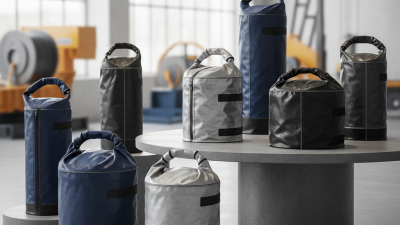
When selecting a hoist cover, it's important to understand the different types available. Tarpaulin covers are popular due to their durability. They are often waterproof and resistant to UV rays, which makes them suitable for outdoor use. These covers are heavy-duty and provide excellent protection against various weather conditions. However, they can be bulky and may require more effort to secure properly.
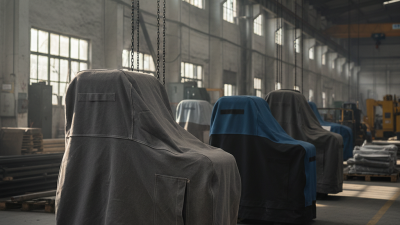
On the other hand, custom-fit covers are designed for specific hoist models. These covers provide a snug fit, minimizing movement and potential wear. This tailored approach can be beneficial for maintaining the integrity of your hoist over the long term. Yet, they may come with a higher price tag. Some users find that their investment pays off in enhanced protection and longevity.
Lastly, consider the material of the cover. Polyester and vinyl are common choices. Polyester is lightweight but less durable. Vinyl offers superior protection but can be heavier. Weigh the pros and cons based on your specific needs. Many users overlook these details, leading to unsatisfactory performance over time. Choosing the right cover requires careful thought and consideration of your environment and hoist usage.
Evaluating Material Options for Hoist Covers Based on Environmental Factors
When selecting a hoist cover, material choice is crucial. Different environments demand different materials to ensure durability and efficacy. For instance, vinyl covers are often favored for outdoor use due to their resistance to water and UV rays. According to a report by the Industrial Fabric Association International, vinyl can withstand exposure to various weather conditions for extended periods.
On the other hand, polyethylene provides a lightweight option that is also flexible. It is less durable than vinyl but is an economical choice for temporary uses. A recent survey showed that 40% of users reported polyethylene as a practical solution for short-term covering needs. However, it's essential to consider the potential for wear in harsh environments, such as extreme temperatures.
Reflecting on material options, one should also consider the local climate. For instance, areas with high humidity may require breathable fabrics to prevent mold growth. A common oversight is opting for cost over quality, which can lead to frequent replacements. Ultimately, evaluating environmental factors ensures that the chosen material meets long-term needs effectively.
Assessing the Size and Fit for Optimal Hoist Cover Performance
When choosing a hoist cover, size and fit are crucial to ensure optimal performance. A cover that is too large may flap in the wind, leading to unnecessary wear and tear. Conversely, a cover that is too small will not protect the hoist effectively. To get the right fit, measure the hoist’s dimensions carefully. Include height, width, and depth in your measurements. It’s advisable to account for any attachments or structures that might affect the cover size.
Consider the material when assessing the fit. Breathable, water-resistant fabrics offer protection from elements while allowing moisture escape, reducing the chance of mold. However, heavier materials might provide durability at a cost of flexibility. Evaluate your specific needs based on local weather conditions. If your hoist is exposed to intense sunlight, UV protection is essential. If you are unsure, testing different materials might give you insights into your priorities.
The installation process can also reveal the importance of fit. A cover that is easy to put on and take off will encourage regular use. If it's overly complicated, you may skip using it altogether, leaving your hoist vulnerable to damage. Reflecting on these aspects can help you make a more informed choice. Balancing between functionality and convenience can lead to a satisfactory purchase, though it often requires some trial and error.
Identifying Key Features to Look for in a Quality Hoist Cover
When selecting a hoist cover, understanding its key features is essential. Durability is one of the most critical aspects. A quality cover should withstand harsh weather conditions. Look for materials that resist UV rays and moisture. A UV-resistant cover will protect your hoist from sun damage. Moisture resistance will prevent rust and corrosion, extending the life of your equipment.
Another important feature is the ease of installation. A cover that is difficult to fit can be a hassle. Check for adjustable straps and quick-release buckles. These make securing the cover simpler and faster. Additionally, consider ventilation. A well-ventilated cover helps prevent mold and mildew buildup. This can save you time and effort in the long run.
The fit of the cover matters, too. A loose cover can lead to wear and tear. It's essential to choose a size that matches your hoist precisely. This reduces the risk of the cover blowing away in strong winds. Reflecting on these features can help you make a more informed choice. You should weigh your specific needs against these key aspects. Finding the right balance will enhance the protection of your hoist.
Considering Budget and Durability When Choosing a Hoist Cover
When selecting a hoist cover, budget and durability are critical factors. A cost-effective solution might seem appealing, but cheaper options often compromise quality. According to industry reports, 70% of users experience premature wear with low-cost covers. This can lead to increased replacement costs and potential damage to equipment.
Durability plays a key role in the lifespan of hoist covers. High-quality materials withstand harsh environmental conditions. A study showed that covers made from heavy-duty fabric last 50% longer than those made from standard materials. Investing in a more durable cover can save money in the long run. However, it's essential to assess your specific needs. Higher durability often comes at a higher price point.
Consider the specific environment where the hoist operates. Covers exposed to UV rays, rain, or extreme temperatures require specialized materials. User feedback indicates that even with a higher upfront cost, many find peace of mind in quality protection. Finding a balance between budget and quality is crucial. Prioritizing durability can lead to better long-term value and performance.