Best Hydro Jet Cutting Machines for Precision Cutting?
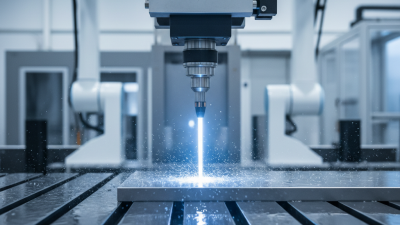
In the realm of precision cutting, the hydro jet cutting machine stands out as a remarkable innovation. These machines utilize high-pressure water jets to slice through various materials with unparalleled accuracy. Unlike traditional cutting methods, hydro jet technology minimizes material wastage and reduces heat impact. As industries demand finer tolerances and intricate designs, the importance of these machines continues to rise.
However, selecting the best hydro jet cutting machine can be challenging. Factors like cutting speed, water pressure, and nozzle design play crucial roles in performance. Users often grapple with issues such as maintenance and operational costs. Understanding both the strengths and weaknesses of different models is essential.
Moreover, advancements in technology bring new options to the market. Not all machines are created equal. Some may excel in specific materials, while others may falter. A thoughtful examination of these machines can reveal the best choices for varied applications in manufacturing and design.
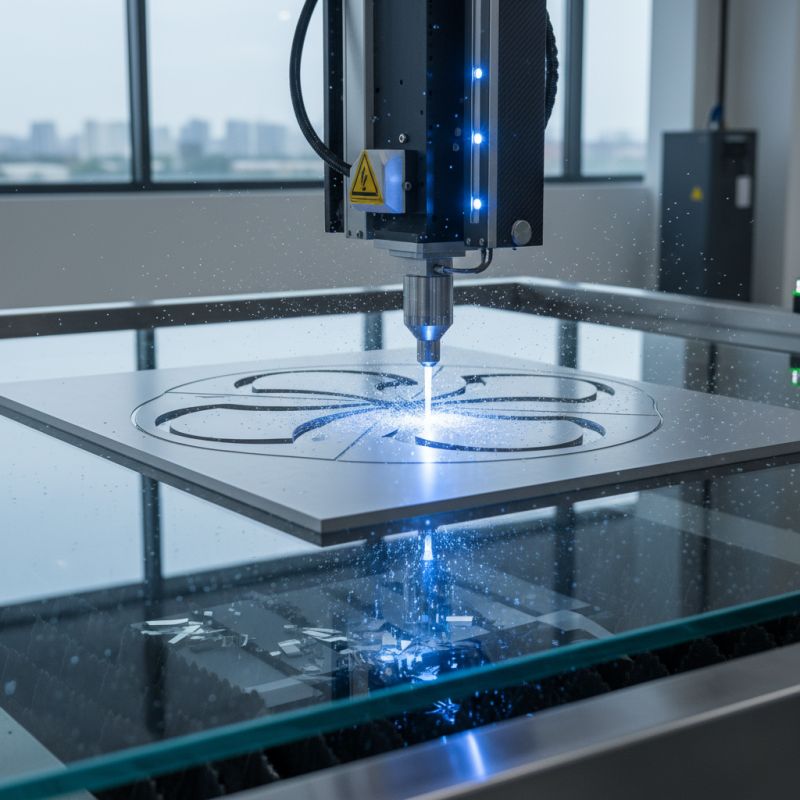
Overview of Hydro Jet Cutting Technology
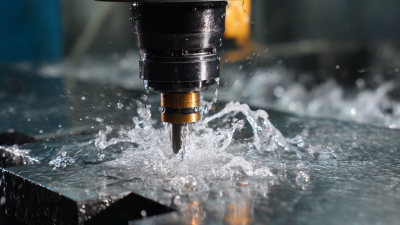
Hydro jet cutting technology is revolutionizing precision cutting. This method uses high-pressure water jets to cut through various materials. The force of the water can reach up to 60,000 psi. This makes it effective for materials like metal, glass, and stone.
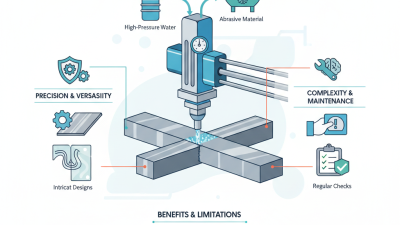
One of the fascinating aspects of hydro jet cutting is its versatility. It can create intricate designs in metal or smooth edges in granite. However, precision depends on machine calibration and operator skills. A poorly calibrated machine can lead to inconsistent cuts and wasted materials. The need for regular maintenance is critical to avoid these issues.
The environmental benefits are also noteworthy. Hydro jet cutting produces less waste compared to traditional methods. Yet, the disposal of used abrasives can pose challenges. It's vital for operators to understand both the benefits and drawbacks. Balancing efficiency with precision is key in this technology.
Key Features to Consider in Hydro Jet Cutting Machines
When considering hydro jet cutting machines, the key features are crucial for effective performance. One important aspect is water pressure. High pressure ensures clean cuts with minimal material waste. Typically, machines operate between 30,000 to 60,000 PSI. Machines that struggle to maintain pressure may fail in precision.
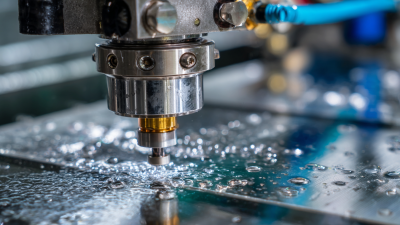
Another significant factor is the nozzle design. A well-designed nozzle can make all the difference. Different shapes affect the cutting stream. A narrow stream achieves more focused cuts, while wider nozzles could be better for softer materials. It's worth exploring various nozzle options for specific tasks.
Additionally, the control system impacts usability. An intuitive interface allows for easier adjustments. However, some machines can be overly complex. This learning curve might frustrate some operators. Pay attention to user feedback regarding ease of use. Objective reviews can highlight strengths and weaknesses.
Top Brands and Models of Hydro Jet Cutting Machines
When considering hydro jet cutting machines, several top models stand out for their precision and performance. These machines use high-pressure water jets to slice through various materials, including metal and stone. The abrasive water jet technology allows for intricate designs and clean cuts that traditional methods often fail to achieve. Users appreciate the versatility of these machines, as they can handle a wide range of materials effectively.
In the market, various brands offer unique features and capabilities. Some models come equipped with advanced software for design and automation. This enhances productivity and accuracy, making the cutting process smoother. However, figuring out the best model can be challenging, as each machine has different specifications and power levels. Operational costs and maintenance also vary, impacting long-term value.
Every model has its strengths and weaknesses. Some machines may have slower cutting speeds. Others might struggle with thicker materials, making user reflection crucial in choosing the right one. Also, the learning curve for operating these machines can be steep. As a result, potential operators need efficient training methods to maximize their cutting capabilities.
Applications and Industries Utilizing Hydro Jet Cutting
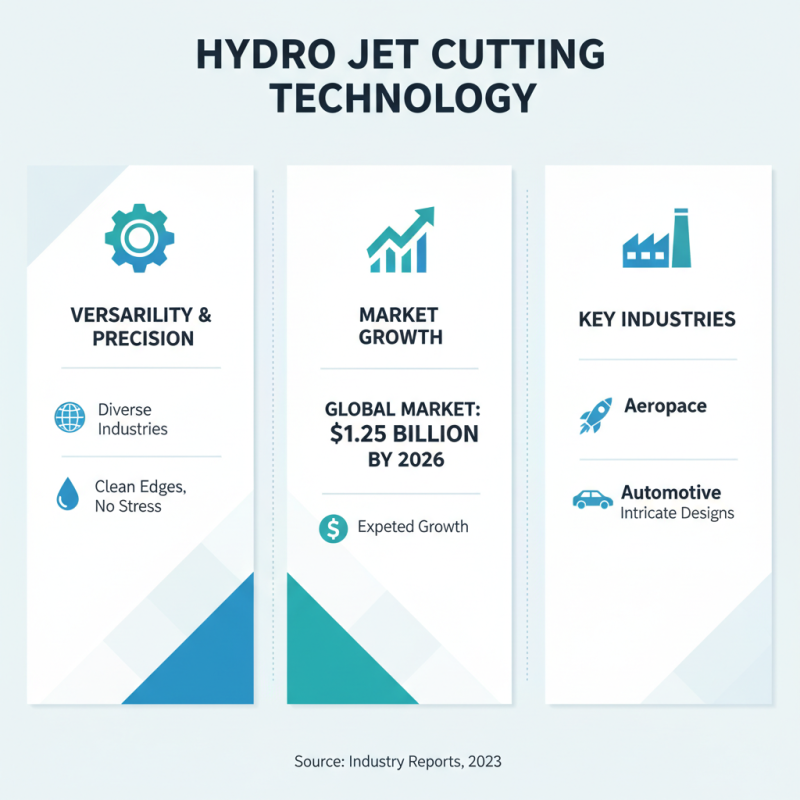
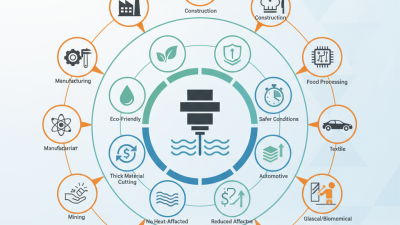
Hydro jet cutting technology finds its applications across diverse industries due to its versatility and precision. In manufacturing, it plays a vital role. For example, reports indicate that the global market for water jet cutting machines is expected to reach $1.25 billion by 2026. This growth reflects increased adoption in sectors like aerospace and automotive. These industries demand high precision for parts with intricate designs. Hydro jet cutting allows for clean edges without mechanical stress.
Construction too benefits significantly from this technology. With the ability to cut through materials like steel, stone, and glass, projects become more efficient. Data shows that water jet cutting reduces waste by up to 30%. This eco-friendly approach appeals to companies aiming for sustainability. Yet, challenges exist. Maintenance of machines can be costly, and operators must be trained effectively. Without proper skill, precision suffers.
The food processing industry is another relevant application. Hydro cutting helps in slicing delicate products without compromising quality. Studies indicate that this method maintains product freshness better than traditional cutting techniques. However, adoption may lag due to cost concerns. Smaller enterprises often struggle with initial investments. Balancing precision and cost remains a key issue for many industries employing hydraulic cutting technology.
Maintenance and Best Practices for Hydro Jet Cutting Machines
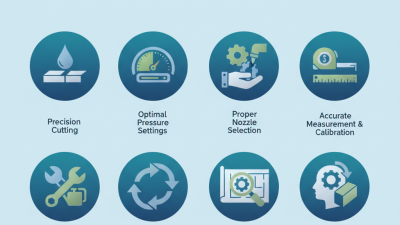
Hydro jet cutting machines require regular maintenance for optimal performance. Industry reports indicate that machines can cut up to 50,000 psi. This immense pressure can lead to wear if not properly managed. For example, seals and fittings are often the first parts to degrade. Regular inspections should focus on these components.
Recent studies point out that nearly 30% of operational downtime is due to maintenance issues. This emphasizes the need for best practices in care routines. Operators should clean parts regularly to remove debris and prevent clogs. Using the right abrasives can also enhance cutting efficiency and prolong machine life.
Training staff is crucial. Many operators overlook basic procedures, leading to errors. This can cause costly mistakes and accidents. A checklist for daily maintenance ensures nothing is missed. For instance, checking water quality and pressure can prevent damage. Hydration of the machine is as important as the materials being cut.
Hydro Jet Cutting Machines - Cutting Efficiency and Maintenance Needs