2026 Best Off Grid Solar System for Global Buyers?
The demand for an Off Grid Solar System is rising globally. Reports predict that the market for off-grid solar solutions will grow by over 20% annually until 2026. This growth is driven by increasing energy demands in remote areas and an emphasis on sustainability. As more consumers seek energy independence, options are expanding.
However, selecting the best off-grid solar system can be challenging. Factors like efficiency, storage capacity, and installation costs vary significantly among different systems. Consumers often underestimate the importance of proper system sizing and integration with energy storage solutions. Detailed research is crucial before making a decision.
Industry experts emphasize the importance of reliable suppliers. Choosing reputable brands ensures durability and optimizes performance. So, understanding market trends and user needs becomes essential in selecting the best off-grid solar system. This system offers an attractive way to meet energy needs with minimal environmental impact.
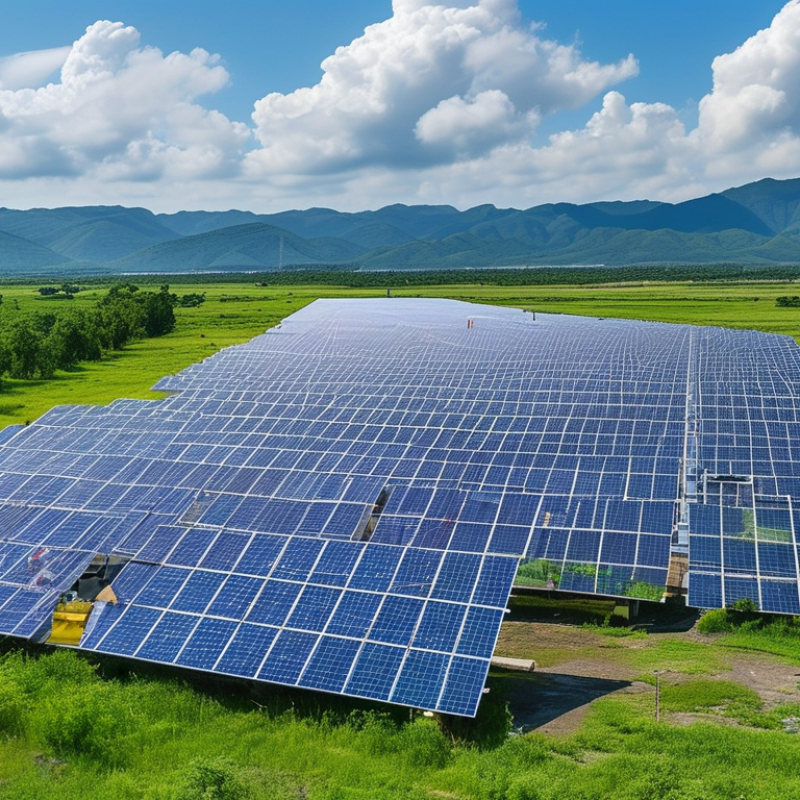
Overview of Off-Grid Solar Systems: Key Features and Benefits
Off-grid solar systems provide an essential solution for energy independence. They enable users to harness sunlight, converting it into usable electricity. Without relying on the traditional grid, these systems can be especially beneficial for rural areas. Each system typically consists of solar panels, batteries, and an inverter. This combination allows for efficient energy storage and utilization.
One key feature is the ability to customize these systems based on energy needs. Users can select panel sizes, battery capacities, and inverter types that best suit their lifestyle. The benefits extend beyond simple energy savings. There is a sense of empowerment in producing your own power. However, it is important to acknowledge that setup costs can be significant. Users should reflect on their long-term energy requirements and environmental impact.
Maintenance is another critical consideration. While solar systems are generally reliable, occasional inspections and cleanings are necessary. Some users may find it challenging to monitor their systems regularly. Understanding how energy consumption affects the overall performance can lead to more efficient usage. Embracing this technology does require ongoing awareness and adjustments.
Types of Off-Grid Solar Systems: A Comprehensive Comparison
Off-grid solar systems present a flexible and sustainable solution for energy independence. These systems can be categorized into three primary types: standalone systems, hybrid configurations, and community solar setups. Each type has its unique benefits and drawbacks that cater to varying energy needs.
Standalone systems are commonly used in remote locations. They rely solely on solar panels and battery storage. While effective, their efficiency can suffer during prolonged cloudy periods. This inconsistency can lead to homeowners running out of power unexpectedly. On the other hand, hybrid systems combine solar with traditional energy sources, offering a backup when sunlight is insufficient. However, this can complicate maintenance and increase costs.
Community solar setups serve multiple households, sharing resources and costs. This model promotes social equity but may not provide the same energy autonomy as individual systems. Buyers must weigh factors like installation costs, local climate, and usage patterns. Exploring each type's merits and potential challenges is crucial for making an informed choice, reflecting the need for thorough research and consideration.
Selecting the Best Components for Off-Grid Solar Systems
When building an off-grid solar system, selecting the right components is crucial. Start with solar panels. Look for those with high efficiency and durability. Consider the wattage needed for your lifestyle. Assess the space available for installation.
Next, focus on the inverter. This component converts solar energy into usable electricity. Choose a reliable inverter that matches your energy needs. Proper sizing is essential to avoid inefficiencies.
Batteries are another vital part of the system. They store energy for use when sunlight is not available. Lithium-ion batteries offer longevity and efficiency but can be pricier. Flooded lead-acid batteries are more affordable but require regular maintenance. Evaluate your usage to determine the best type for your situation.
Don’t forget about charge controllers. They regulate the energy flowing to and from the batteries. A good charge controller prevents overcharging and extends battery life.
Each component must work together effectively. Opting for mismatched parts can lead to system failures. It’s tempting to cut costs, but this can harm your setup. Research and feedback from other off-grid users can guide your choices. Always question your needs and reassess them, as energy demands can change over time.
Installation and Maintenance Tips for Off-Grid Solar Systems
When considering an off-grid solar system, installation and maintenance are two critical aspects. Begin by selecting a suitable location for your solar panels. Aim for an area that receives maximum sunlight. Clear any obstructions such as trees or buildings. This ensures optimal energy capture. Use a sturdy mounting system that can withstand local weather conditions. Research local regulations to avoid legal issues.
Maintenance of your off-grid solar system is vital for efficiency. Regularly clean the solar panels to remove dust and debris. This simple task can significantly improve performance. Inspect all wiring and connections periodically. Look for signs of wear or damage. Neglected components may lead to system failures. An annual professional inspection can save you time and money down the line.
Even experienced users can encounter challenges. For instance, incorrect angle adjustments can lead to suboptimal energy production. Be open to adjusting your setup as needed. Document your system's performance and maintenance efforts. This will help identify recurring issues and areas for improvement. Embracing a proactive approach promotes long-term reliability.
Global Trends and Innovations in Off-Grid Solar Technology
The off-grid solar market is evolving rapidly. Innovations in technology are leading to more efficient systems. According to a recent report, global off-grid solar capacity grew by over 30% in 2022. This growth is driven by the increasing demand for renewable energy solutions. More households are looking for energy independence.
New battery technologies are emerging, enhancing energy storage options. Recent advancements include lithium-ion and flow batteries. These systems can store more energy for prolonged use. As a result, consumers experience fewer interruptions in power supply. Industry analysts expect the global off-grid solar market to reach USD 4 billion by 2026.
However, challenges remain. Some off-grid systems lack adequate scalability. Users may also face difficulties in maintenance. Trends show a growing interest in smart grid technologies. This could improve efficiency and reliability. But integration with existing systems may take time. Ultimately, ongoing research and investment are crucial. They will help address these issues and drive further innovations.
2026 Trends in Off-Grid Solar Technology
This chart illustrates the projected growth in the adoption of off-grid solar systems from 2022 to 2026. Over these years, the increasing demand for sustainable energy solutions and advances in solar technology are expected to drive significant growth in off-grid installations worldwide.